

Buying your first car is exciting, a little overwhelming, and honestly — unforgettable. Whether you’re a student, a first-time job holder, or just finally ready to own your own ride, this guide will help you make a smart, confident decision without regrets.
Let’s break it down step by step.
🔍 1. Understand Your Purpose First
Before you even step into a showroom or browse online listings, ask yourself:
- Is this car mainly for city commuting?
- Do you need it for long highway drives?
- Are you prioritizing fuel efficiency, comfort, or performance?
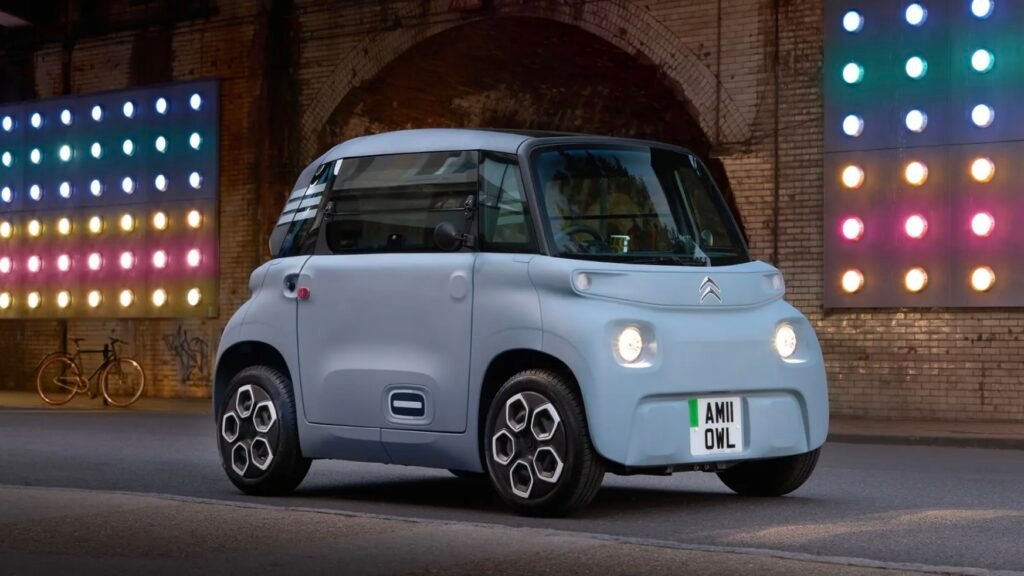
👉 Pro tip: For daily city use, compact hatchbacks or small sedans are easier to drive, park, and maintain.
🛠️ 3. New Car vs Used Car — Which Is Better?


Technological Advancements in Vehicle Design
As we look toward 2026, the automotive industry is undergoing transformative changes driven by remarkable technological advancements in vehicle design. These innovations are significantly influenced by the global shift towards more sustainable and efficient modes of transportation. Two pivotal technologies at the forefront are electric and hydrogen fuel cells, which promise to redefine vehicular power systems.
Electric vehicles (EVs) continue to gain traction due to their lower environmental impact compared to traditional vehicles. Enhancements in battery technology, such as increased energy density and faster charging capabilities, are making EVs more attractive for consumers. Similarly, hydrogen fuel technology is emerging as a viable alternative, providing rapid refueling options and longer ranges, particularly in sectors like commercial transport.
Artificial Intelligence (AI) is also playing an integral role in the design and manufacturing processes of vehicles. AI-driven design software can analyze vast amounts of data to optimize the aerodynamics and functionality of vehicles before they even reach the prototype stage. This capability not only reduces costs but also speeds up the time taken to bring innovative designs to market.
Material science is experiencing a renaissance, with sustainable materials gaining paramount importance in vehicle construction. Manufacturers are increasingly prioritizing recyclable and bio-based materials, minimizing the carbon footprint of new vehicles. The emphasis on aerodynamics has led to innovative design practices, where every curve and angle is carefully calculated to enhance fuel efficiency and performance.
In conclusion, the convergence of electric and hydrogen technologies, advancements in artificial intelligence, and the adoption of sustainable materials and practices are driving a new era in vehicle design. As these trends continue to evolve, the vehicles of 2026 will not only be more efficient but also more environmentally responsible, shaping the future of mobility as a whole.
The Rise of Autonomous Vehicles
The evolution of transportation is experiencing a profound transformation through autonomous vehicle technology. By 2026, self-driving vehicles are expected to exhibit leaps in sophistication, functionality, and integration within the transportation ecosystem. Currently, numerous automotive companies have incorporated partial self-driving features, such as lane-keeping assist and adaptive cruise control, which serve as foundational components for full autonomy.
As technology continues to advance, the regulatory environment is also evolving to accommodate these innovations. Governments around the world are recognizing the necessity for comprehensive policies that govern the testing and deployment of autonomous vehicles. Regulatory frameworks are expected to streamline approval processes and establish safety standards, fostering a more predictable landscape for manufacturers and consumers alike. In this context, the discussion surrounding liability and insurance in the event of accidents involving autonomous vehicles is paramount and remains a key area of focus amongst policymakers.
Safety enhancements are anticipated to accompany these technological advancements. With improved sensors, machine learning algorithms, and real-time data analysis, autonomous vehicles will likely achieve unprecedented levels of reliability in navigation and accident prevention. These enhancements could substantially reduce traffic incidents, a primary contributor to urban congestion. As safety perceptions shift, consumer attitudes towards adopting autonomous solutions are also changing. Surveys indicate a growing acceptance of self-driving technology, particularly among younger demographics, who prioritize convenience and environmental considerations.
Moreover, the integration of autonomous vehicles into urban transportation may redefine commuting. With enhanced ride-sharing services and mobility solutions, cities could see reduced traffic congestion and decreased emissions, leading to a more sustainable urban environment. The rise of autonomous vehicles is thus poised to fundamentally alter the transportation landscape, making it essential for stakeholders to adapt to these changes and embrace the potential for a more efficient, safe, and user-friendly travel experience.
The Impact of Urbanization on Vehicle Usage
Urbanization is reshaping the landscape of vehicle usage, particularly as we approach 2026. As cities expand and populations increase, the demand for efficient transportation solutions has prompted significant changes in how vehicles are utilized and integrated into urban spaces. One key trend is the rise of shared mobility services, such as ride-sharing and car-sharing platforms. These services are becoming increasingly popular, driven by the necessity to minimize congestion and reduce transportation costs. Shared mobility allows urban residents to access vehicles without the burden of ownership, which is particularly appealing in densely populated areas.
Moreover, urbanization is influencing public transit needs. As more individuals relocate to cities, there is a growing demand for reliable and accessible public transport systems. In response, municipalities are exploring innovative ways to enhance transit offerings, including the incorporation of electric buses and enhanced rail services. This shift not only caters to the evolving needs of urbanites but also aligns with broader sustainability goals aimed at reducing carbon emissions and promoting greener urban environments.
The integration of smart city technologies also plays a crucial role in redefining vehicle usage. Intelligent transportation systems, which harness data analytics and real-time information, are helping to streamline traffic management and improve public transit efficiency. Urban planners are increasingly focusing on designing cities that accommodate new types of vehicles, such as electric scooters and autonomous vehicles. These advancements necessitate the development of dedicated infrastructure, including bike lanes, charging stations for electric vehicles, and designated areas for shared mobility drop-offs.
In conclusion, as urbanization continues to escalate, the patterns of vehicle usage are rapidly evolving. The synergy between urban design, emerging transportation technologies, and shared mobility services is expected to shape the future of transportation infrastructure significantly. Understanding these trends will be crucial for stakeholders aiming to develop sustainable urban mobility solutions for 2026 and beyond.
Environmental Considerations and Sustainability Trends
The importance of environmental sustainability in the automotive industry has gained significant momentum, especially as we approach 2026. With the escalating impact of climate change, automotive manufacturers are striving to develop vehicles that not only meet regulatory standards but also contribute to a more sustainable future. Companies are increasingly focused on reducing their carbon footprints, as both emissions regulations and consumer expectations demand a more eco-friendly approach to transportation.
As regulatory bodies worldwide enforce stricter emissions standards, automakers are compelled to innovate and shift towards greener technologies. This has resulted in an increasing investment in electric vehicles (EVs) and hybrids, which offer lower emissions compared to traditional gasoline models. By 2026, it is projected that a larger percentage of new vehicle sales will comprise electric cars, catalyzing the transition towards a more sustainable automotive market.
In addition to vehicle electrification, consumers are also advocating for eco-friendly vehicle options, demanding transparency about the environmental impact of their automotive choices. As a response to this consumer shift, manufacturers are not only producing electric models but also enhancing their offerings of vehicles with improved fuel efficiency and reduced emissions.
Moreover, innovations in recycling vehicle components signal a shift towards a circular economy in the automotive sector. Efforts are being made to recycle materials such as batteries and metals, minimizing waste and conserving resources. This approach not only aligns with sustainability trends but also presents manufacturers with the opportunity to reduce production costs while fostering environmentally responsible practices.
Ultimately, as we progress through the decade, environmental considerations will play a pivotal role in shaping the future of mobility. The automotive industry must embrace sustainability—through regulatory compliance, consumer engagement, and innovative recycling practices—to ensure a robust and responsible transportation ecosystem in 2026 and beyond.
Your first car is more than a machine — it’s freedom, responsibility, and a milestone. Don’t rush the decision. Research well, compare options, and trust your instincts.

A well-chosen car will serve you faithfully for years 🚙💙